Misinformation is a growing problem in today's digital age, as false information spreads quickly and easily across various online platforms. When it comes to tourism, misinformation can have serious consequences on travelers' experiences and decision-making processes. This is especially true in popular tourist destinations like Milan, Italy.
Category : | Sub Category : Posted on 2025-11-03 22:25:23
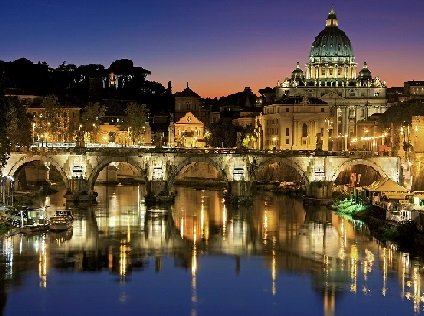
Milan is a vibrant city known for its rich history, stunning architecture, and world-class fashion scene. With iconic landmarks such as the Duomo di Milano, Leonardo da Vinci's "The Last Supper," and the Galleria Vittorio Emanuele II, it's no wonder that millions of tourists flock to Milan each year to soak in the city's cultural offerings. However, with the rise of misinformation on the internet, travelers need to be extra vigilant when researching and planning their trips to Milan. False information about attractions, accommodations, and local customs can mislead tourists and ultimately impact their overall experience in the city. This is where critical thinking skills come into play. Travelers must learn to analyze information critically, verify sources, and question the validity of claims before making travel decisions. By honing their critical thinking skills, tourists can sift through the clutter of misinformation and make more informed choices when planning their trip to Milan. One common example of misinformation in Milan tourism is the exaggerated wait times to enter popular attractions. Some unreliable sources may claim that tourists have to wait for hours to enter the Duomo or see "The Last Supper," deterring potential visitors from experiencing these iconic sites. In reality, with proper planning and ticket reservations, tourists can often avoid long lines and make the most of their time in Milan. Another issue related to misinformation in Milan tourism is the spread of false reviews and recommendations online. Fake reviews, sponsored content, and biased opinions can lead travelers astray and influence their perceptions of places to visit, eat, or stay in Milan. By critically evaluating reviews and seeking out diverse sources of information, tourists can make more informed decisions about their travel itinerary. In conclusion, combating misinformation in Milan tourism requires a combination of critical thinking skills and a discerning approach to information consumption. Travelers must be vigilant in verifying facts, questioning sources, and double-checking claims to ensure they have an authentic and enjoyable experience in the city. By honing their critical thinking skills, tourists can navigate the sea of misinformation online and make the most of their visit to Milan. Check this out https://www.regionales.net For an extensive perspective, read https://www.whymilan.com
Leave a Comment:
SEARCH
Recent News
- Located in the heart of Switzerland, Zurich is a city known for its stunning scenery, top-tier companies, and high quality of life. With a strong economy and a reputation for innovation, Zurich has become a hub for leading global corporations across various industries.
- Shopping in Rome vs Zurich: A Tale of Two European Cities
- Navigating Legal Services in Zurich, Switzerland and Rome
- Zurich, Switzerland, and Milan, Italy are two of Europe's most popular destinations for tourists. Both cities offer a unique blend of history, culture, and modern amenities, making them ideal places to visit for anyone looking to experience the best that Europe has to offer.
- Zurich, Switzerland, and Milan, Italy are two prominent cities in Europe known for their thriving business landscapes. In this article, we will explore some of the top companies that call these cities home.
- Milan Industry: A Glimpse into Zurich, Switzerland's Thriving Business Scene
- Zurich, Switzerland, and Milan, Italy, are two of Europe's bustling cities known for their vibrant cultures and economic activities. Zurich, the largest city in Switzerland, is renowned for its high quality of life, efficient public transportation system, and picturesque setting along Lake Zurich and the Limmat River. Milan, on the other hand, is Italy's financial and fashion capital, home to prestigious fashion houses, historic landmarks, and a thriving e-commerce industry.
- Zurich, Switzerland and Milan, Italy are two prominent cities in Europe that play significant roles in the export and import industry. Both cities boast strong economies, making them key players in international trade. Let's delve deeper into the export and import activities of Zurich and Milan.
READ MORE
10 months ago Category :

Located in the heart of Switzerland, Zurich is a city known for its stunning scenery, top-tier companies, and high quality of life. With a strong economy and a reputation for innovation, Zurich has become a hub for leading global corporations across various industries.
Read More →10 months ago Category :

Shopping in Rome vs Zurich: A Tale of Two European Cities
Read More →10 months ago Category :

Navigating Legal Services in Zurich, Switzerland and Rome
Read More →10 months ago Category :
