Milan, the bustling fashion capital of Italy, is not just known for its trendy streets and stunning architecture. Unfortunately, the city also faces significant challenges when it comes to air and water pollution.
Category : | Sub Category : Posted on 2025-11-03 22:25:23
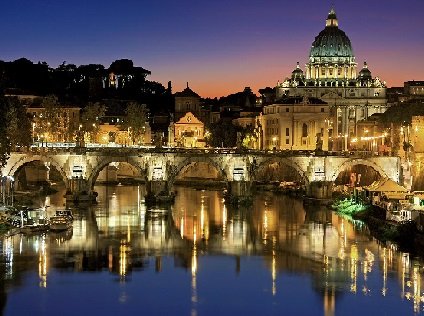
Air pollution in Milan is a major concern, with traffic congestion being one of the primary contributors. The city's narrow streets and high volume of cars produce exhaust emissions that contain harmful substances such as carbon monoxide, nitrogen oxides, and particulate matter. These pollutants not only affect the air quality in Milan but also pose serious health risks to its residents, especially those with respiratory conditions. To tackle the issue of air pollution, Milan has implemented several measures in recent years. The city has imposed traffic restrictions, promoted the use of public transportation, and encouraged the adoption of electric vehicles. Additionally, Milan has established Low Emission Zones (LEZs) where only vehicles meeting specific emission standards are allowed to enter, helping to reduce pollution levels in targeted areas. In addition to air pollution, Milan also faces challenges regarding water pollution. The city's water sources, including rivers and canals, are susceptible to contamination from various sources such as industrial discharges, agricultural runoff, and improper waste disposal. Polluted water not only affects the aquatic ecosystems but also poses risks to human health if consumed or used for recreational purposes. Efforts are being made to improve water quality in Milan through stricter regulations on waste disposal, increased monitoring of water bodies, and public awareness campaigns on the importance of water conservation. Additionally, projects are underway to clean up polluted waterways and restore them to a healthier state for both the environment and the community. While Milan continues to grapple with air and water pollution challenges, the city's commitment to sustainability and environmental protection is evident through its initiatives and policies aimed at mitigating these issues. By working together and adopting eco-friendly practices, Milan can strive towards a cleaner and healthier urban environment for its residents and future generations. Want a more profound insight? Consult https://www.abandonar.org For more information: https://www.culturelle.org To get a better understanding, go through https://www.departements.org To get a holistic view, consider https://www.regionales.net To learn more, take a look at: https://www.whymilan.com
Leave a Comment:
SEARCH
Recent News
- Located in the heart of Switzerland, Zurich is a city known for its stunning scenery, top-tier companies, and high quality of life. With a strong economy and a reputation for innovation, Zurich has become a hub for leading global corporations across various industries.
- Shopping in Rome vs Zurich: A Tale of Two European Cities
- Navigating Legal Services in Zurich, Switzerland and Rome
- Zurich, Switzerland, and Milan, Italy are two of Europe's most popular destinations for tourists. Both cities offer a unique blend of history, culture, and modern amenities, making them ideal places to visit for anyone looking to experience the best that Europe has to offer.
- Zurich, Switzerland, and Milan, Italy are two prominent cities in Europe known for their thriving business landscapes. In this article, we will explore some of the top companies that call these cities home.
- Milan Industry: A Glimpse into Zurich, Switzerland's Thriving Business Scene
- Zurich, Switzerland, and Milan, Italy, are two of Europe's bustling cities known for their vibrant cultures and economic activities. Zurich, the largest city in Switzerland, is renowned for its high quality of life, efficient public transportation system, and picturesque setting along Lake Zurich and the Limmat River. Milan, on the other hand, is Italy's financial and fashion capital, home to prestigious fashion houses, historic landmarks, and a thriving e-commerce industry.
- Zurich, Switzerland and Milan, Italy are two prominent cities in Europe that play significant roles in the export and import industry. Both cities boast strong economies, making them key players in international trade. Let's delve deeper into the export and import activities of Zurich and Milan.
READ MORE
10 months ago Category :

Located in the heart of Switzerland, Zurich is a city known for its stunning scenery, top-tier companies, and high quality of life. With a strong economy and a reputation for innovation, Zurich has become a hub for leading global corporations across various industries.
Read More →10 months ago Category :

Shopping in Rome vs Zurich: A Tale of Two European Cities
Read More →10 months ago Category :

Navigating Legal Services in Zurich, Switzerland and Rome
Read More →10 months ago Category :
